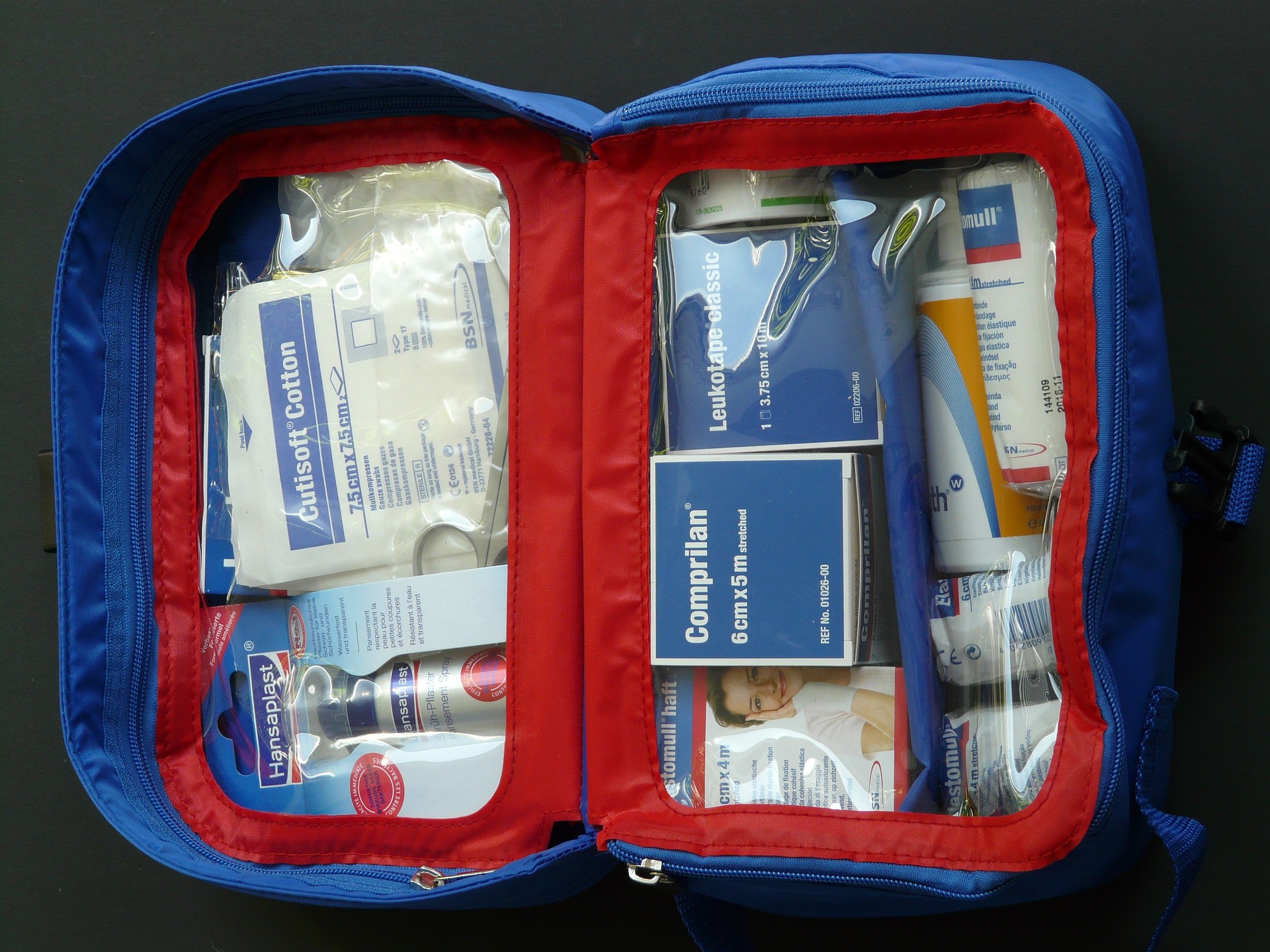
This PDF file below is from the Live Free USA medical training program "Eight Lifesaving Medical Skills" a distillation from our more extensive "Survival Medics" course. You will note that bandaging and splinting are not included, as these skills are not immediately lifesaving. They are necessary for preventing infections and further injury and should be learned. Updated November 2016
Category: Survival Papers
Over 80 Titles, Hundreds of pages on one CD The best articles from 30-years of Live Free newsletters, The best training handouts from Live Free instructors, The best publication written by Live Free authors. These papers range from one page to over 30 pages, many are illustrated. Subjects include wilderness survival, self-defense, self-reliance, equipment, skills, planning, psychology and philosophy.
Emergency Planning
This article is intended as a guide to make your own survival and escape plans based on your particular hazards and situation. Updated March 2016
Respiratory Protection
Pocket respirators are an essential item for survival in many situations. Epidemics, terrorist events, nuclear fallout, toxic dust, and other respiratory hazards can develop at any time. Having immediate short term protection will be much more important than delayed access to bulks “gas masks”. This article explores your options. Updated July 2016
How Prepared is the Public?
Based on the "American Housing Survey" conducted by the US Census Bureau, this article examines each element of home preparedness covered in the survey and the provides recommendations by Live Free USA that go further. We also cover several key items that were not included in the survey that every home must have for complete preparedness. Published June 2016.
Preparedness Overview
Preparedness Overview was published in American Survivor several years ago and reprinted recently as a handout at various Live Free USA seminars. This article in combination with the article "Self-Reliance" overview provides a great guide in moving from emergency preparedness twords greater and greater independence and security.
Practical Hazmat
As a Safety Manager for a chemical company and a Hazardous Material Technician for 30-years, I trained hazmat teams and managed some hazmat situations. Military and industrial hazmat situations require extended exposure in "hot zones", but the civilians challenge is just to limit contamination and inhalation while getting out of the hot zone. This article is intended for practical situations whith practical equipment.